
“It's data driven, not emotion. And we can see not only short term immediate results, but medium and long term results…”
Curt TueffertVP Sales Development, DXP
The First 1,000A free Eighty20 book for each of the first 1,000 operatorsA free book for operatorsChoose your book

The 80/20 Institute · PGOS Learning Series
Improve the work and remove unproductive complexity.
Self-paced recorded training · Available now
12 video lessons · approximately 3 hr 58 min of recorded video
Learn at your own pace with The 80/20 Institute. Continue into the matching self-paced training.
Compare courses, bundles and the All-Access Pass →Free video preview · 2:40
A lesson excerpt defining Lean and tracing flow production through Ford and the Toyota Production System.
From the lesson: Introduction to Lean.
Automatically transcribed from the sample audio.
Lean is a philosophy that is centered around delivering value with fewer resources and minimal waste. Customer centricity is the starting point. Identifying what the customer truly values and the problems they need solving. Lean practice involves continuous experimentation, fostering innovation in a work process to enhance quality, efficiency, and reduce cost. The Lean enterprise remains highly adaptable, driven by ongoing learning. This consistently addresses fundamental questions about purpose, work, capabilities, management, and fundamental thinking. The history of Lean manufacturing traces its roots back to the early 20th century with Henry Ford at the forefront of its development. In 1913, at Highland Park, Michigan, Ford revolutionized production by combining consistently interchangeable parts with standardized work and moving conveyance. This innovative approach known as flow production marked a significant departure from traditional manufacturing practices. Ford's assembly line employed specialized machines and go or no-go gauges to fabricate and assemble components, ensuring that perfectly fitting parts were delivered directly to the production line in a matter of minutes. This approach allowed Ford to maintain extraordinarily fast inventory turnover. However, it came with significant limitation, lack of variety. The Model T, Ford's iconic car, was produced in one specification, offering minimal customer choice. Their philosophy revolved around the thought, any color the customer wants as long as it's black. The need for variety and shorter model cycles led other automakers to deviate from Ford's methods. They introduced many models and options, but their production systems featured longer throughput times, meaning the materials going through the line ran slower due to high volumes and increased inventory. In the 1930s, Kiichiro Toyoda, Taiichi Ohno, and others at Toyota revisited Ford's principles and developed the Toyota production system. This system shifted the focus from machine-centric thinking to a holistic approach, emphasizing the flow of products through the entire process. By right-sizing the machines, introducing self-monitoring for quality, quick setups for small volumes of various part numbers, and synchronized information flow, Toyota achieved low cost, high variety, high quality, and rapid throughput.
Open the transcript as textClient stories
Owners, CEOs and their teams on what changed when they put 80/20 to work.
“It's data driven, not emotion. And we can see not only short term immediate results, but medium and long term results…”
Curt TueffertVP Sales Development, DXP
“I feel like that we have, you know, 200 customers because we sell to 200 customers regularly, but in reality we have a thousand customers.”
Ted MedfordCo-Owner, Profoam Corporation
“Self implementing this would have been very difficult as, you know, you're working through culture changes as well as other things. The team that we had that came in was absolutely excellent…”
Aaron AbreuVP of Product Management, Western Power Sports
Results vary by business.
Read · Apply
Optional books and workbooks for this subject. Only the publications named in the course details above are included with the course. Digital formats are $10 each, or $18 for a book with its Field Guide. Coming-soon books are shown as placeholders.
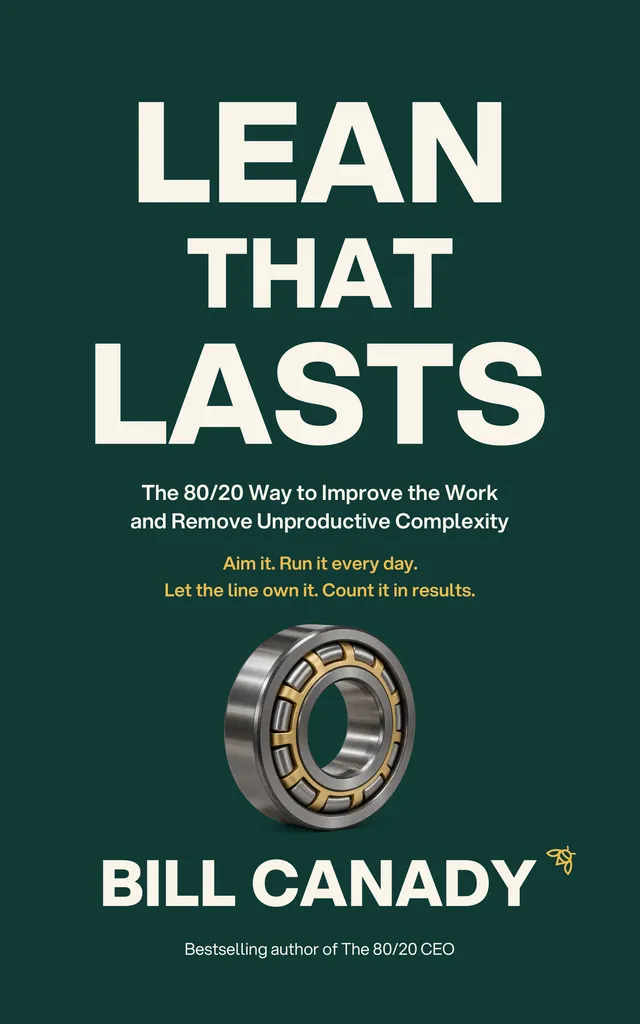
Available digital editions
The 80/20 Way to Improve the Work and Remove Unproductive Complexity
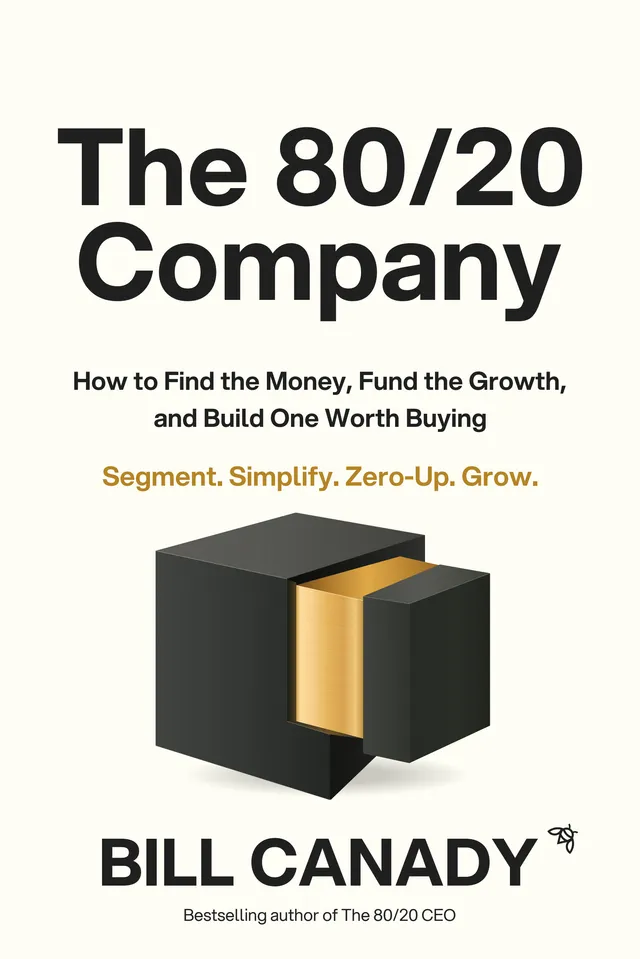
Available digital editions
How to Find the Money, Fund the Growth, and Build One Worth Buying
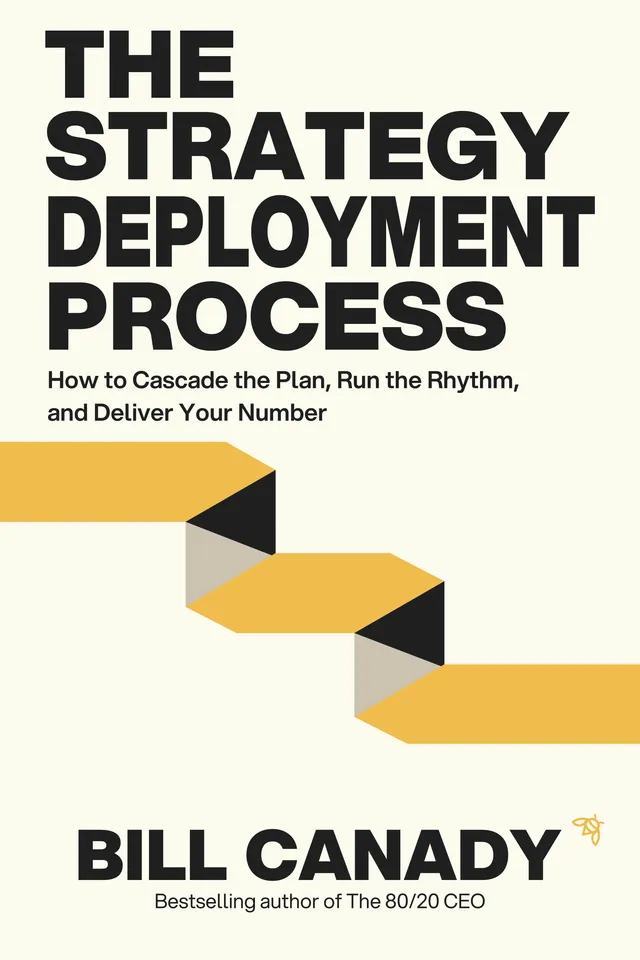
Available digital editions
How to Cascade the Plan, Run the Rhythm, and Deliver Your Number
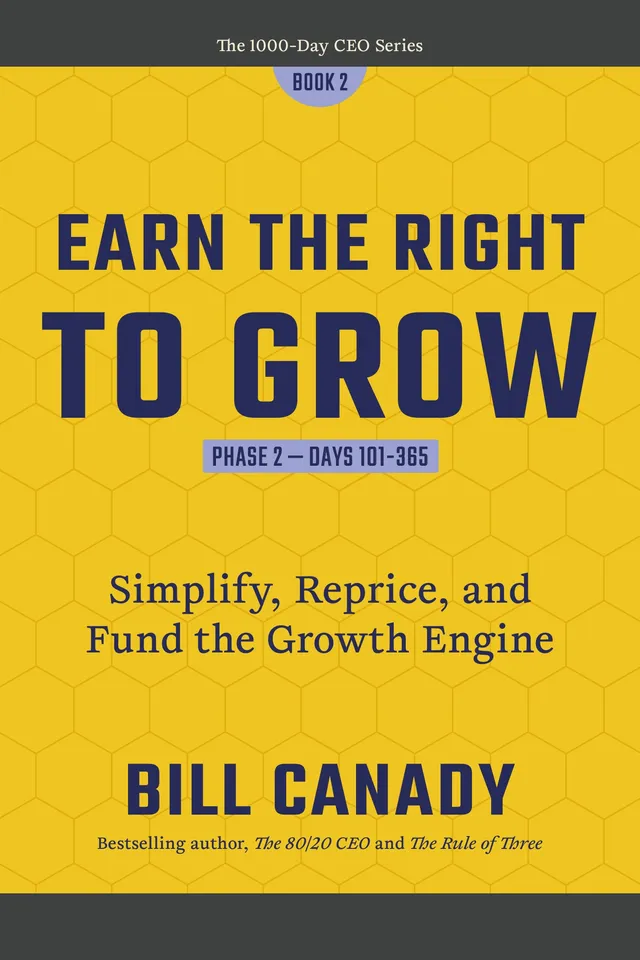
Coming soon
Simplify, Reprice, and Fund the Growth Engine
The bigger picture
Explore all ten masterclass subjects, take every course and book with the All-Access Pass, or choose your own books, workbooks and audio.
Course reviews
Tell other owners and executives what worked. Choose Write a review, pick your stars and share your experience of PGOS Lean Masterclass.
AI assistant
I can help you choose a book or course, explain what is included, and sort out delivery and access.
Try one of these:
AI assistant. It answers from this site's catalog and can make mistakes, so check the price on the page before you buy. Questions go to Anthropic to answer and may be reviewed to improve the site. Please don't share personal or payment details. Prefer a person? Email bill@the8020institute.com.

